“The creator economy is thriving, and joining in means generating your own content.”
Content creation can seem daunting. Where do you begin? No worries, we’re here to help.
Whether you're a brand, social media manager, or aspiring creator, we’ve got the ultimate guide to kickstart your content creation, complete with the necessary tools and strategies.
Content creation involves planning and producing content, usually for social media or other online platforms.
This can include research, writing, photography, videography, editing, graphic design, and, of course, a lot of creativity.
Whether you aim to inform, inspire, or entertain — it's all content creation.
A content creator is anyone who produces content, regardless of their platform or follower count.
There are many types of content creation. Here are some of the most common:
Social Media Content Creation
Social media is a primary outlet for content creation. Despite mixed feelings, social media is a hub for building communities, promoting brands, and showcasing creativity. Content on social media isn't limited to TikToks and Reels — LinkedIn and Pinterest also host compelling content.
Long-form Video Content
YouTube, the second-largest search engine globally, continues to grow.
Long-form video content dominated web traffic in 2023, accounting for 82.5%.
The possibilities with video are vast, from cooking tutorials to travel vlogs, making it a great way to connect with niche audiences.
Blogs
While social and video content may be more popular, blogging remains robust. Many creators use social media to drive traffic to their blogs, enhancing their content's reach. Food blogger Justine Doiron, known as Justine Snacks, leveraged her TikTok and Instagram followings to promote her blog, leading to a book deal.
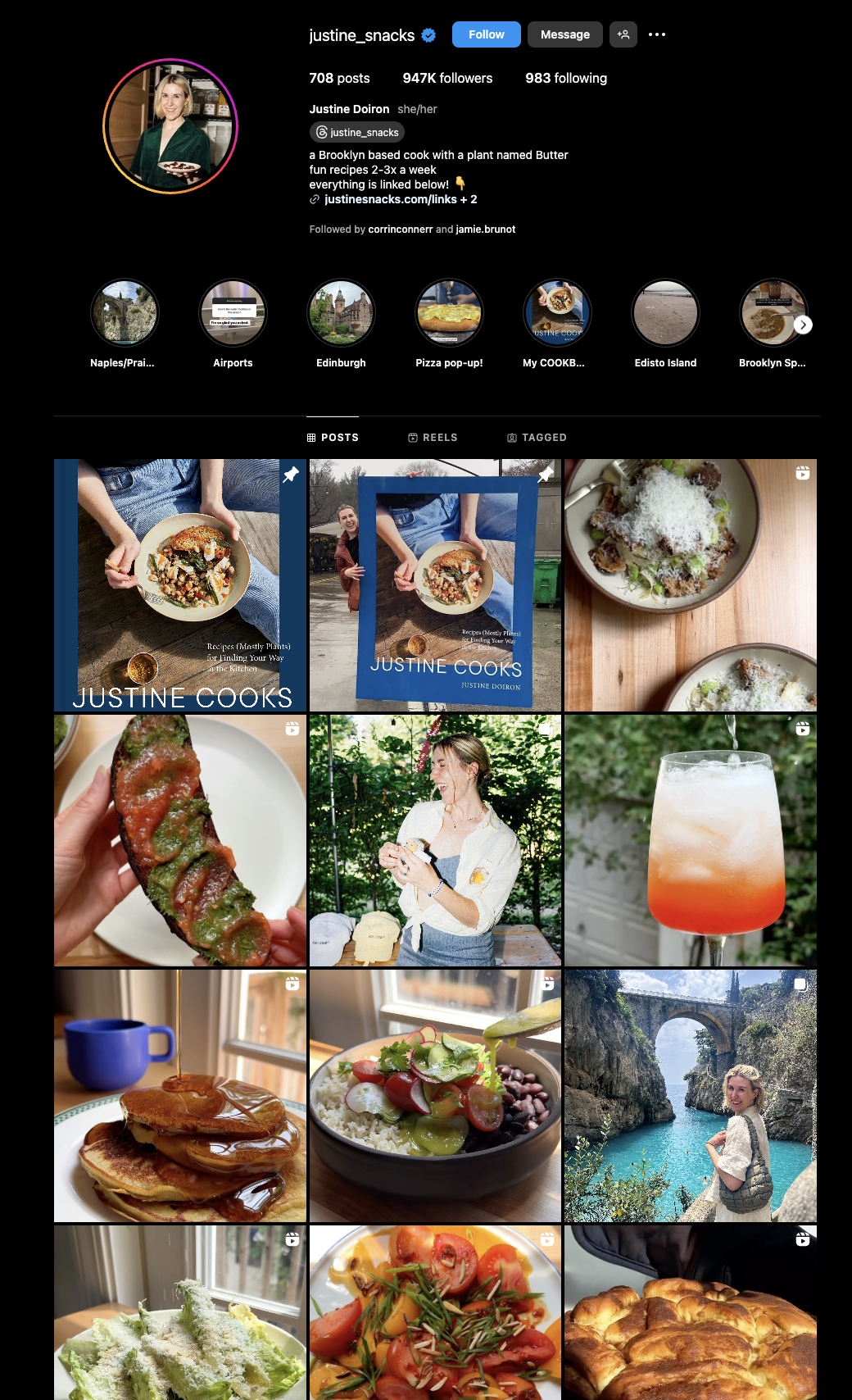
Justine Dorion
Food blogger Justine Doiron, known as Justine Snacks, leveraged her TikTok and Instagram followings to promote her blog, leading to a book deal.
Podcasts
Content creation isn't limited to visual or written mediums. Engaging conversations can also be valuable content.
Podcasts, as an audio medium, are perfect for on-the-go engagement. They also offer excellent cross-promotion opportunities with other creators through interviews.
In the US, there are over 130 million active podcast listeners, providing numerous options. Our top pick? Later’s Beyond Influence podcast, which covers all things creators and influencer marketing.
FYI: Later is a trusted social media management tool used by over 7 million brands, creators, and social media managers. Start planning, scheduling, and analyzing your content today — sign up for free:
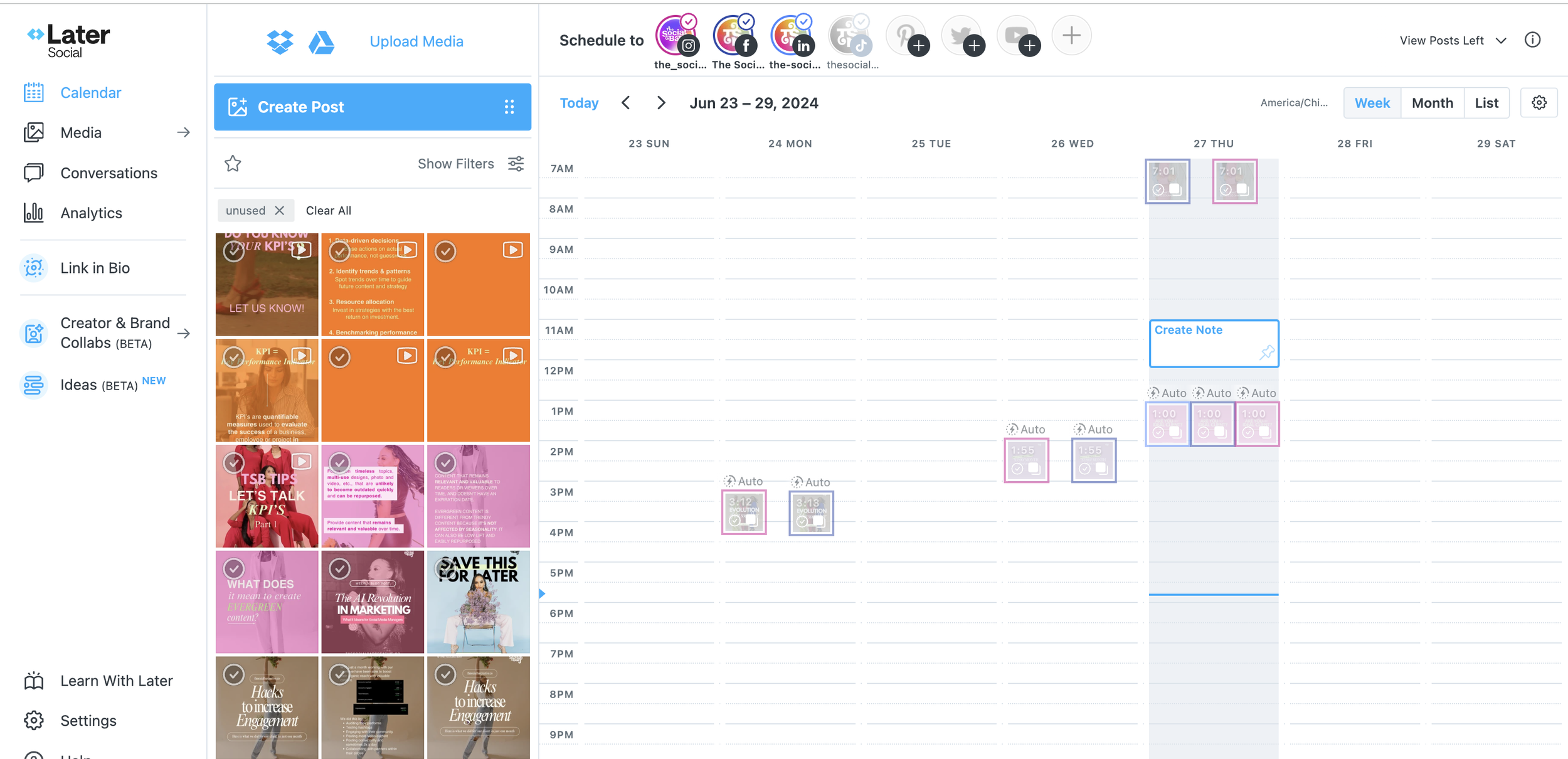
Plan, manage, & analyze posts for every social channel in one spot with Later.
The importance of content creation
Content creation is super important these days because it's how you build and keep an active online community. When you regularly put out good content, it helps you find your voice, share your message, and connect with people in a meaningful way. It boosts your brand's visibility and trustworthiness, making your audience more loyal. Plus, great content gets people talking and interacting, turning casual followers into dedicated fans. In a world full of information, standout content grabs attention and drives action, helping you grow and succeed whether you're an individual or a business.
Starting Your Content Creation Journey
Seeing polished creators might make starting your own content creation journey feel intimidating.
The best place to begin? Right where you are.
Your initial attempts won't be flawless. Experimentation will help you find your unique style and improve your skills.
Start by creating content around something you're passionate about. Whether it's baking or gaming, there's an audience for it.
Here are some tips to make your content creation journey smoother:
Explore TikTok and Instagram trends for inspiration.
Use simple video editing apps to get started.
Utilize templates for writing scripts.
Play with design apps to develop your unique aesthetic.
Developing a Content Creation Strategy: An 8-Step Guide
Ready to dive in? Here’s how to master content creation in eight easy steps:
Set SMART Goals
Conduct Research
Assemble Your Toolkit
Define Content Pillars
Create & Edit Your Content
Schedule & Post Your Content
Analyze Your Performance
Iterate and Improve
Step #1: Set SMART Goals
Setting goals is the foundation of your content creation strategy.
Your goals will dictate the type of content you create, its frequency, and your overall purpose.
Creators might focus on improving engagement, while brands may prioritize lead generation.
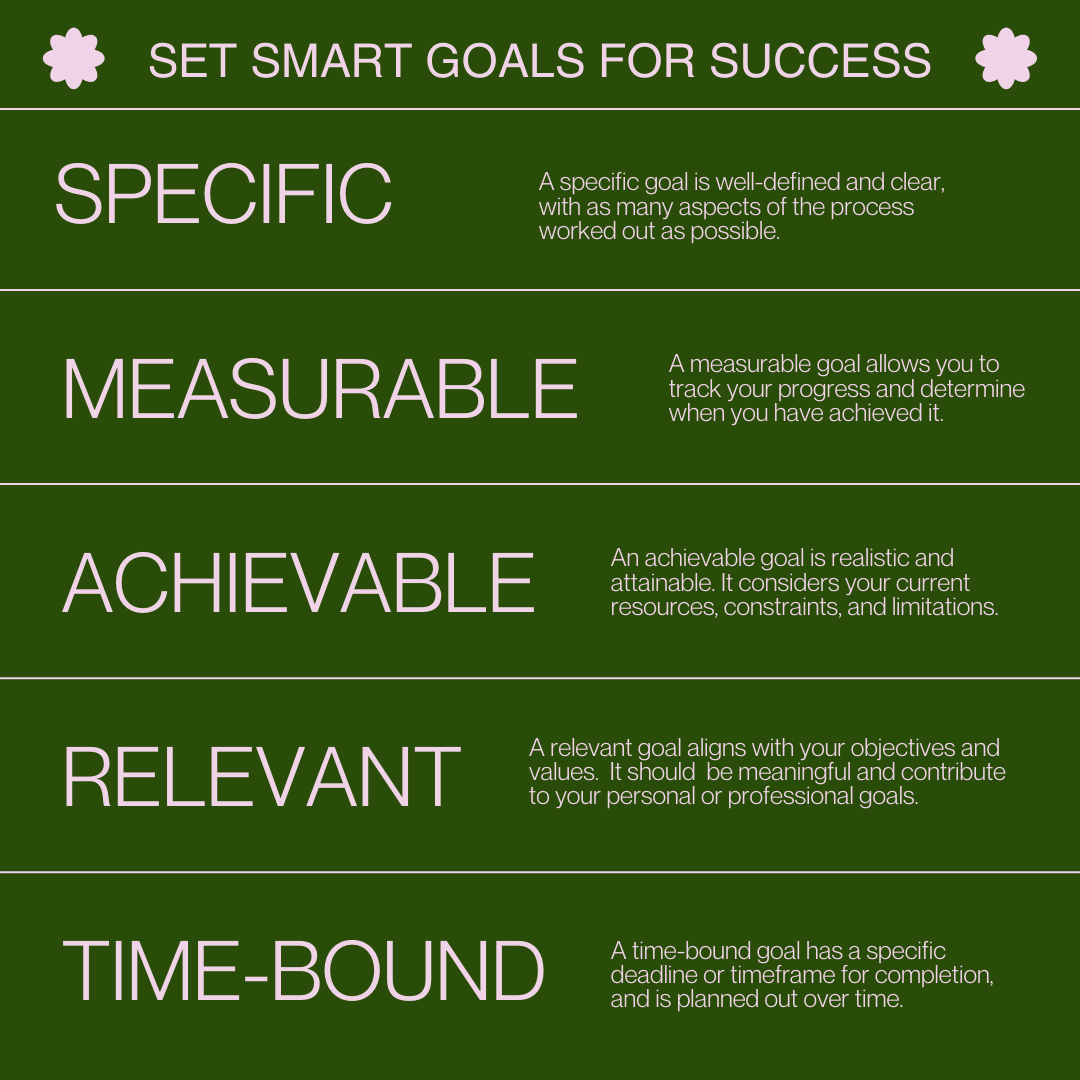
Effective goals should be SMART: Specific, Measurable, Achievable, Relevant, and Timely.
Step #2: Conduct Research
Next, stop, drop, and research.
Scroll through your feed and note the content that garners significant views or comments.
Identify patterns and gaps in your strategy and consider how you can add your unique spin.
TIP: Start with what you love. Which creators or brands do you follow?
Step #3: Assemble Your Toolkit
The right tools can streamline your content creation process, ensuring consistent, high-quality output.
From educational resources to editing apps and scheduling tools, there are plenty to choose from.
Step #4: Define Content Pillars
Using your research, brainstorm and define your content pillars. Content pillars provide a framework for consistent posts and captions, reducing last-minute scrambles. If you hit a creative block, try out an AI-powered tool like ChatGPT's “Write For Me” plug-in feature to improve your caption. Enter keywords to define content pillars and generate relevant ideas, from behind-the-scenes videos to infographics and tutorials.
With AI, you can quickly generate content pillars and ideas, allowing more time for meaningful content creation. Win-win.
Step #5: Create & Edit Your Content
Now it's time to bring your vision to life. Whether working solo or with a team, take the time to draft, review, and refine your content.
Once satisfied, you're ready to publish. Congratulations — the hard part is over.
Step #6: Schedule & Post Your Content
Share your content with the world.
Using a social media scheduler can save time, keep you organized, and ensure consistency.
Our tool allows you to plan and post all your social content from one dashboard, scheduling in advance.
When it's time to post, our scheduler does all the heavy lifting. Simple as that.
Step #7: Analyze Your Performance
Regularly review your insights to see how your content is performing and whether you're meeting your goals.
For blog and website traffic, use Google Analytics.
For social media content, our Analytics tool tracks key metrics like growth rate and views.
Take the guesswork out of your reporting with our Analytics tool.
Step #8: Iterate and Improve!
Congrats — you've completed your first content creation strategy!
Content creation is dynamic, always evolving. Continuously analyze what works and what doesn’t.
Challenge yourself to try new things with each strategy iteration.
Top tip: Use tools like Later’s Social Scheduler to plan and schedule your content, allowing you to focus on creation and strategy while we handle the posting.
Content creation is more than just making posts—it's about building a community, sharing your passion, and connecting with your audience. By setting clear goals, doing your research, and using the right tools, you can create engaging and impactful content that stands out in the digital crowd. Remember, it's a dynamic process that involves continuous learning and experimentation. Whether you're a brand looking to increase engagement or an individual aiming to share your interests, the steps outlined in this guide can help you start your content creation journey confidently. So, dive in, get creative, and see where your content can take you. Happy creating!